
Weekday Pass a 2×1!
Sabemos que te encanta la aventura, por eso diseñamos este pase para que disfrutés al máximo de lunes a jueves. Con el Weekday Pass, tenés

Sabemos que te encanta la aventura, por eso diseñamos este pase para que disfrutés al máximo de lunes a jueves. Con el Weekday Pass, tenés
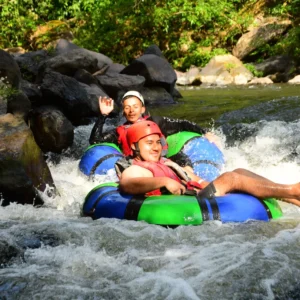
⏱️40 Minutes | 💦Guaranteed Fun | 👪 Family Activity
Fluye con la corriente en el Lazy River Float de Ponderosa.

⏱️1 Hour | 🏇 Horseback Riding | 👪 Family
Connect with nature on the Ponderosa horseback ride. A journey to

⏱️1-2 Hour | 🚜 Guided Tour | 👪 Family Activity
Enjoy an unforgettable adventure on the Safari Tour of
Sabemos que te encanta la aventura, por eso diseñamos este pase para que disfrutés al máximo de lunes a jueves. Con el Weekday Pass, tenés
⏱️40 Minutes | 💦Guaranteed Fun | 👪 Family Activity
Fluye con la corriente en el Lazy River Float de Ponderosa.
⏱️1 Hour | 🏇 Horseback Riding | 👪 Family
Connect with nature on the Ponderosa horseback ride. A journey to
⏱️1-2 Hour | 🚜 Guided Tour | 👪 Family Activity
Enjoy an unforgettable adventure on the Safari Tour of
Sabemos que te encanta la aventura, por eso diseñamos este pase para que disfrutés al máximo de lunes a jueves. Con el Weekday Pass, tenés
⏱️40 Minutes | 💦Guaranteed Fun | 👪 Family Activity
Fluye con la corriente en el Lazy River Float de Ponderosa.
⏱️1 Hour | 🏇 Horseback Riding | 👪 Family
Connect with nature on the Ponderosa horseback ride. A journey to
⏱️1-2 Hour | 🚜 Guided Tour | 👪 Family Activity
Enjoy an unforgettable adventure on the Safari Tour of

⏱️7+ Horas | Experiencia Premium
⏱️7+ Horas | Todas las Atracciones | 👪 Actividad Familiar

⏱️2+ Hours | 🦒 Animals | 👪 Family Activity
Aventura en la

⏱️3+ Hours | 👪 Family Friendly
Aventura y relax con el

⏱️7 + Horas | Diversion
⏱️7+ Horas | Experiencia Premium
⏱️7+ Horas | Todas las Atracciones | 👪 Actividad Familiar
⏱️2+ Hours | 🦒 Animals | 👪 Family Activity
Aventura en la
⏱️3+ Hours | 👪 Family Friendly
Aventura y relax con el
⏱️7 + Horas | Diversion
⏱️7+ Hours | Premium Experience | 👪 Family Activity
The Teekisia Package offers over 7 hours of activities at Ponderosa:
⏱️7+ Horas | Todas las Atracciones | 👪 Actividad Familiar
Ponderosa te espera con un día lleno de diversión. Un paquete todo incluido para disfrutar
⏱️2+ Hours | 🦒 Animals | 👪 Family Activity
Aventura en la naturaleza con el Paquete Pura Vida de Ponderosa. Observa animales, disfruta un almuerzo especial y
⏱️3+ Hours | 👪 Family Friendly
Adventure and relaxation with the Ponderosa Half-Day Package. Safari, Pearl Waterfall, and lunch all in one package.
⏱️7+ Hours | Fun Day | 👪 Family Activity
Ponderosa awaits you with a Day Pass full of adventure: safari, canopy,

